
This blog contains affiliate links, meaning we may earn a small commission if you click through and make a purchase at no additional cost to you.
Introduction
Unthinkable is a psychological thriller that challenges viewers with one of the most difficult ethical questions imaginable: should extreme measures ever be used to prevent a catastrophic terrorist attack? Released in 2010, the film combines suspense, moral conflict and political debate, making it far more than a conventional thriller.
If you’re wondering what Unthinkable is about, whether it’s worth watching, or what its ending means, this guide explains the film in simple terms while exploring the deeper issues that continue to spark discussion among audiences.

Movie Unthinkable: Quick Answer
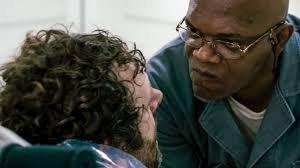
Unthinkable is a 2010 thriller starring Samuel L. Jackson, Carrie-Anne Moss and Michael Sheen. The film follows government agents attempting to locate hidden nuclear bombs planted in the United States by a terrorist who refuses to reveal their locations. The story explores torture, national security, morality and the limits of government power under extreme circumstances.
What Is Unthinkable About?
The film begins when a former US military operative named Steven Arthur Younger claims responsibility for placing several nuclear bombs in American cities.
Authorities quickly capture him.
The problem is that nobody knows where the bombs are located.
With millions of lives potentially at risk, government agencies launch an intense interrogation effort to obtain the information before time runs out.
As the investigation unfolds, the film shifts from a terrorism thriller into a debate about ethics, law and human behaviour under pressure.
The Main Plot Explained
The Terrorist Threat
Younger releases a video announcing that nuclear devices have been hidden across the country.
The threat appears credible, creating immediate panic among government officials.
Because the bombs may detonate at any time, authorities believe they cannot afford delays.
Enter “H”
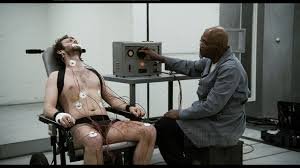
The government brings in a mysterious interrogator known only as H.
Unlike traditional investigators, H believes that conventional questioning will not work.
He argues that extraordinary circumstances require extraordinary methods.
This puts him in direct conflict with other officials who are concerned about legality and morality.
The Growing Tension
As the deadline approaches, pressure increases.
Government leaders struggle with competing priorities:
- Saving lives
- Following the law
- Maintaining ethical standards
- Preventing public panic
The film’s suspense comes not only from the bomb threat but also from the disagreements among those trying to stop it.
Who Are the Main Characters?
| Actor | Character | Role |
| Samuel L. Jackson | H | Government interrogator |
| Carrie-Anne Moss | Agent Helen Brody | FBI agent |
| Michael Sheen | Steven Arthur Younger | Suspected terrorist |
| Brandon Routh | Agent Jackson | Government investigator |
Each character represents a different perspective on security, justice and morality.
This makes the film feel like a debate as much as a thriller.
Why Unthinkable Is So Controversial
Many thrillers involve terrorism and interrogation.
Unthinkable stands out because it places viewers in a situation with no easy answers.
The central question is often called the “ticking time bomb scenario.”
This hypothetical situation asks:
If authorities knew a terrorist possessed information that could save thousands of lives, would torture ever be justified?
Supporters of strict anti-torture positions argue:
- Torture is morally wrong regardless of circumstances.
- Information obtained under torture may be unreliable.
- Allowing exceptions creates dangerous precedents.
Others argue:
- Preventing mass casualties may require extraordinary measures.
- Leaders have a responsibility to protect innocent lives.
- Extreme situations may justify extreme actions.
The film deliberately refuses to provide a comfortable answer.
Themes That Make the Film Interesting
Security Versus Freedom
One of the film’s most important themes is the balance between public safety and civil liberties.
Many governments face this challenge when responding to terrorism.
The movie asks how much freedom society is willing to sacrifice for protection.
The Psychology of Fear
Fear influences nearly every decision in the story.
Officials become increasingly willing to consider actions they would normally reject because the potential consequences are so severe.
Moral Responsibility
The film repeatedly asks who bears responsibility for difficult decisions.
Is it the person carrying out the actions?
The leaders authorising them?
Or the terrorist who created the situation?
Power and Accountability
Unthinkable explores what happens when governments operate under extreme pressure and limited oversight.
The story highlights the risks that can emerge when urgency overrides accountability.
Unthinkable Ending Explained
The Apparent Resolution
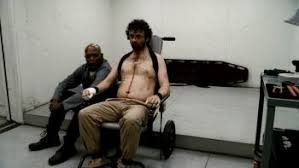
Eventually, Younger reveals information about the bombs.
Authorities work quickly to locate and disarm them.
For a moment, it appears the crisis has been resolved.
The Final Twist
The film ends with a troubling revelation.
Evidence suggests there may be an additional bomb that authorities did not know about.
This twist changes how viewers interpret everything that came before.
What the Ending Means
The ending raises several important questions:
- Did the interrogation methods actually work?
- Was the information complete?
- Can torture ever guarantee success?
- Were the moral compromises justified?
Rather than providing certainty, the film leaves audiences with doubt.
That uncertainty is intentional.
The story argues that real-world ethical dilemmas rarely produce clean, satisfying conclusions.
How Realistic Is Unthinkable?
The scenario itself is fictional, but many of its themes have real-world relevance.
Following major terrorist attacks in the early 21st century, governments around the world debated:
- Enhanced interrogation techniques
- National security policies
- Surveillance powers
- Emergency legal authorities
While the film exaggerates some situations for dramatic effect, its ethical questions reflect genuine debates that continue today.
What Makes Unthinkable Different from Other Thrillers?
Most thrillers focus primarily on action.
Unthinkable focuses on ideas.
The bombs create urgency, but the real story concerns human decision-making.
This approach appeals to viewers who enjoy films that encourage discussion after the credits roll.
Rather than asking, “Can the heroes stop the threat?”
The film asks, “What are the heroes willing to become in order to stop it?”
Common Misconceptions About Unthinkable
“It’s just an action movie”
The film contains suspense but is primarily a psychological and ethical drama.
“The movie supports torture”
Not necessarily.
The film presents multiple perspectives and intentionally leaves key questions unresolved.
“It’s based on a true story”
No. The characters and plot are fictional.
However, the themes are inspired by real debates surrounding terrorism and national security.
“The ending answers everything”
The ending is deliberately ambiguous and designed to provoke discussion.
Is Unthinkable Worth Watching?
The film is particularly appealing for viewers who enjoy:
- Psychological thrillers
- Moral dilemmas
- Political dramas
- Suspenseful storytelling
- Debate-driven narratives
Those expecting constant action may find it slower than typical thriller films.
However, viewers interested in ethical questions often find it highly engaging.
Frequently Asked Questions
Is Unthinkable based on a true story?
No. The story is fictional, although its themes are inspired by real-world discussions about terrorism and security.
Who plays H in Unthinkable?
Samuel L. Jackson portrays H, the controversial interrogator at the centre of the film.
What is the main message of Unthinkable?
The film explores whether moral principles should remain absolute during extreme emergencies.
Why is the ending controversial?
The final twist suggests that even drastic measures may fail to provide complete certainty, undermining assumptions made throughout the story.
Is Unthinkable a horror movie?
No. It is best described as a psychological thriller and political drama.
Does the movie support one side of the debate?
The film presents arguments from multiple viewpoints and encourages viewers to draw their own conclusions.
Is Unthinkable suitable for all audiences?
No. It contains intense themes, disturbing scenes and mature subject matter.
What makes Unthinkable different from other terrorism thrillers?
Its primary focus is ethical conflict rather than action sequences or military operations.
Conclusion
Unthinkable remains one of the most debated thrillers of the modern era because it forces audiences to confront uncomfortable questions without offering simple answers. Beneath the suspense and ticking-clock tension lies a deeper examination of morality, power, fear and responsibility.
Whether viewers agree with the actions taken in the film or reject them entirely, Unthinkable succeeds in making people think. That lasting discussion is ultimately what makes the film memorable.