
This blog contains affiliate links, meaning we may earn a small commission if you click through and make a purchase at no additional cost to you.
Introduction
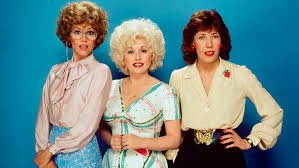
9 to 5 is one of the most influential workplace comedies ever made. Released in 1980, the film follows three office workers who join forces against their sexist and abusive boss. While packed with humour and memorable performances, the movie also tackles serious issues such as workplace discrimination, gender inequality and employee rights.
More than four decades later, 9 to 5 remains popular because many of its themes still resonate with modern audiences.

Movie 9 to 5 : Quick Answer
9 to 5 is a 1980 comedy film starring Jane Fonda, Lily Tomlin and Dolly Parton. The story follows three female office workers who become frustrated with their unfair treatment at work and take control of their situation after their boss’s behaviour becomes unbearable. The film combines comedy with sharp social commentary about workplace culture and gender equality.
What Is The Movie 9 to 5 About?
The film takes place inside a large corporate office where employees face strict rules, limited opportunities and an unpleasant working environment.
Three women from very different backgrounds find themselves dealing with the same problem: their boss, Franklin Hart Jr.
Hart is arrogant, dishonest and openly sexist. He takes credit for other people’s work, spreads rumours and treats employees poorly.
After a series of frustrations, the three women imagine taking revenge on him. Through an unexpected chain of events, those fantasies lead to a situation that changes the workplace forever.
The Main Plot Explained
Meet the Three Main Characters
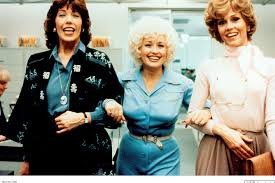
The story centres on three women whose experiences reflect different workplace challenges.
Judy Bernly
Judy is newly divorced and entering the workforce for the first time.
She represents people who are learning to navigate office politics and workplace expectations.
Violet Newstead
Violet is an experienced employee who repeatedly gets overlooked for promotions despite being highly qualified.
Her character highlights the frustration of seeing less capable people advance simply because of their gender.
Doralee Rhodes
Doralee is a capable secretary who constantly deals with gossip and inappropriate assumptions because of her appearance.
Her character explores workplace stereotypes and harassment.
The Breaking Point
Each woman reaches a point where frustration turns into action.
After an unusual misunderstanding, the trio believe they may have accidentally caused serious harm to their boss.
This creates a series of comedic situations that drive the rest of the film.
Taking Control
As events unfold, the women effectively begin running the office themselves.
They introduce changes designed to improve employee morale and productivity.
The results are surprisingly successful.
This shift transforms the story from a revenge comedy into a broader examination of workplace leadership.
The Cast and Why It Worked So Well
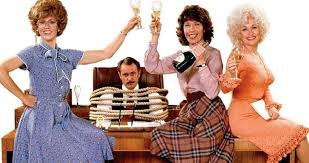
| Actor | Character |
| Jane Fonda | Judy Bernly |
| Lily Tomlin | Violet Newstead |
| Dolly Parton | Doralee Rhodes |
| Dabney Coleman | Franklin Hart Jr. |
The chemistry among the three lead actresses is a major reason for the film’s success.
Each brings a distinct personality:
- Jane Fonda provides emotional growth and relatability.
- Lily Tomlin delivers sharp wit and sarcasm.
- Dolly Parton adds warmth, humour and charm.
Together, they create a believable friendship that anchors the story.
Why The Movie 9 to 5 Became a Cultural Phenomenon
Many comedies are popular for a few years and then fade from public memory.
9 to 5 achieved something different.
It captured frustrations that many workers, particularly women, experienced in real offices.
At the time of its release, issues such as:
- Unequal pay
- Limited promotion opportunities
- Workplace sexism
- Lack of flexibility
were common concerns across many industries.
The film addressed these topics through humour, making serious issues accessible to mainstream audiences.
Workplace Themes That Still Feel Relevant
Gender Equality
One of the film’s central messages involves equal treatment in professional environments.
Although workplace conditions have improved since 1980, discussions about equal opportunities continue today.
Recognition and Advancement
Violet’s experience reflects a challenge many employees still face.
People often become frustrated when hard work goes unnoticed while others receive promotions for reasons unrelated to performance.
Workplace Respect
The film argues that employees perform better when treated with dignity and respect.
This idea aligns with modern management research, which consistently shows that positive workplace cultures improve productivity.
Flexible Working Practices
Interestingly, some ideas introduced in the film were considered unconventional at the time.
Several workplace policies that seemed radical in 1980 are now common in many organisations.
The Famous Theme Song
No discussion of 9 to 5 is complete without mentioning the title song.
Performed by Dolly Parton, “9 to 5” became one of the most recognisable songs in film history.
The song:
- Reached the top of music charts
- Won multiple awards
- Became associated with workplace culture
- Helped expand the film’s popularity
Even people who have never seen the movie often recognise the song.
Why the Comedy Still Works
Comedy often ages poorly because social references change.
9 to 5 avoids this problem because its humour comes primarily from:
- Character interactions
- Workplace frustrations
- Universal human behaviour
- Creative situations
These elements remain understandable regardless of when the film is viewed.
How the Movie 9 to 5 Compares with Modern Workplace Comedies
9 to 5 vs The Devil Wears Prada
Both films explore workplace power dynamics.
However, 9 to 5 focuses more heavily on systemic issues rather than a single demanding employer.
9 to 5 vs Office Space
Office Space examines corporate frustration from a different perspective.
Both films use humour to critique workplace culture.
9 to 5 vs Horrible Bosses
Horrible Bosses adopts a more exaggerated and adult-oriented approach.
9 to 5 remains lighter while still delivering meaningful social commentary.
Common Misconceptions About the Movie 9 to 5
“It’s only a comedy”
The film contains strong social and workplace themes beneath its humour.
“It’s outdated”
While some aspects reflect its era, many of its workplace issues remain relevant.
“It’s a film only for women”
The workplace challenges depicted affect employees of all backgrounds.
“The message is more important than the entertainment”
One reason the film succeeds is that it balances both effectively.
What Modern Viewers Can Learn from the Movie 9 to 5
The film offers several surprisingly practical lessons:
Good Leadership Matters
The contrast between poor and effective management drives much of the story.
Workplace Culture Shapes Performance
Employees tend to perform better when they feel respected and valued.
Collaboration Creates Change
The three main characters achieve results by working together rather than acting alone.
Innovation Often Comes from Employees
Many of the improvements introduced in the story originate from people closest to the daily work.
Frequently Asked Questions
Is the Movie 9 to 5 based on a true story?
No. The film is fictional, although it was inspired by real workplace experiences and issues faced by many women.
Who wrote and performed the song for the Movie 9 to 5?
Dolly Parton wrote and performed the song specifically for the film.
Why is the Movie 9 to 5 considered important?
The movie helped bring conversations about workplace equality and employee rights into mainstream popular culture.
Is the Movie 9 to 5 still worth watching today?
Yes. Its humour, performances and workplace themes continue to resonate with modern audiences.
Who is the villain in the Movie 9 to 5?
Franklin Hart Jr., the office manager, serves as the primary antagonist due to his treatment of employees.
Was the Movie 9 to 5 successful at the box office?
Yes. It became one of the most successful films of 1980 and remained popular long after its theatrical release.
Did the Movie 9 to 5 inspire other projects?
Yes. The film inspired television adaptations, stage productions and continued cultural references.
Is the Movie 9 to 5 a feminist film?
Many critics view it as an important feminist comedy because it addresses gender inequality while remaining entertaining and accessible.
Conclusion
The movie 9 to 5 remains a classic because it combines sharp comedy with meaningful observations about work, leadership and equality. Its story of three employees challenging an unfair system that continues to connect with audiences because the underlying themes are still relevant.
More than forty years after its release, the film serves as both an entertaining comedy and a reminder that workplace culture can have a profound impact on people’s lives. Few films manage to be this funny while also leaving a lasting cultural legacy.