
This blog contains affiliate links, meaning we may earn a small commission if you click through and make a purchase at no additional cost to you.
God of War Ragnarök Synopsis:
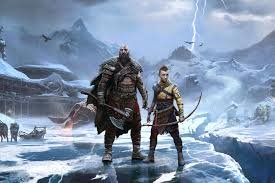
Set in the frozen realms of Norse mythology, God of War Ragnarök continues the journey of Kratos and his son Atreus in the aftermath of the events of the 2018 game. The two are now facing the looming threat of Ragnarök ,the apocalyptic battle foretold in prophecy. As they navigate fractured alliances, dangerous gods, and ancient prophecies, their relationship is tested like never before, revealing new layers of trust, conflict, and growth.
Players engage in a rich blend of visceral, skill-driven combat, exploration across diverse realms, and environmental puzzles that unlock powerful upgrades and secrets. The story is deeply personal, exploring themes of choice versus destiny, parenthood, and redemption, while maintaining the series’ signature epic scale. Throughout the game, Kratos must confront his violent past and guide Atreus toward his own path, all while facing the inevitable confrontations with deities like Thor and Odin.
Ultimately, Ragnarök is a tale of survival, growth, and the courage to shape your own destiny, offering an experience that combines intense action with emotional storytelling.
There are plenty of big-budget games that look impressive, but very few manage to feel as complete as God of War Ragnarök. It’s not just the scale or the spectacle, it’s the way brutal, weighty combat sits perfectly alongside a deeply personal story about growth, loss, and choice. One moment you’re locked in a tense, skill-driven fight; the next, you’re pulled into a quiet conversation that somehow carries just as much impact.
But that richness comes with a downside. It’s easy to feel overwhelmed. The story isn’t always straightforward, the combat can be punishing, and the world is filled with mechanics and secrets the game doesn’t fully explain. Whether it’s trying to understand the ending, struggling through a boss fight, or figuring out why a path is suddenly blocked, most players hit moments where they stop and think, “Wait… what am I missing?”
That’s exactly where this guide comes in. Instead of skimming the surface, it tackles the questions players actually ask, the confusing, frustrating, and sometimes surprisingly deep ones, covering everything from story meaning to combat strategy and hidden systems.
Let’s break it down step by step.
1. Understanding the Ending
What does the ending actually mean?
From the very beginning of God of War Ragnarök, everything revolves around prophecy. Kratos isn’t just fighting enemies. He’s fighting the idea that his future has already been written. The weight of his past, especially the destruction he caused in earlier games, hangs over every decision. He’s seen what happens when he gives in to rage, and this time, he’s trying, often quietly, sometimes imperfectly, to be something different.
That’s what makes the final reveal so powerful. When the mural is uncovered, it doesn’t show the fate Kratos feared. Instead of death and destruction, it depicts him as a figure of hope, someone revered, even worshipped. It’s a complete shift from what prophecy once suggested, and it confirms something the game has been building toward all along: the future can change.
At the same time, Atreus steps into his own path. Choosing to leave and search for the remaining Giants, he moves beyond being just “Kratos’ son” and begins defining himself on his own terms. It’s not just a goodbye, it’s the start of a new chapter that clearly sets up what comes next.
Underneath it all is the game’s central idea: choice versus destiny. Prophecies exist, but they don’t control everything. What matters is how characters respond to them, whether they follow the path laid out or challenge it.
And that’s why the ending feels so significant. It doesn’t just conclude a story; it redefines Kratos. For the first time, he isn’t remembered as a destroyer or a god of war, but as someone capable of change, restraint, and even hope.
Winning the Hardest Battles
How do you beat tough bosses like Berserkers?
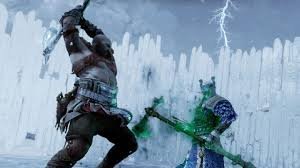
One of the biggest shocks for players in God of War Ragnarök is just how sharply the difficulty can spike, especially when you run into optional bosses like Berserkers. Up to that point, the game encourages an aggressive playstyle, but these fights punish that instinct almost immediately. Suddenly, rushing in feels reckless, and mistakes get punished hard.
That shift is intentional. The combat here isn’t about overwhelming your enemy; it’s about outlasting them. Patience becomes your strongest tool. Instead of constantly attacking, you’re watching, waiting, and choosing your moments carefully. It’s less about how fast you react and more about how well you understand the fight.
That’s where pattern recognition comes in. Every tough enemy has a rhythm, specific tells before attacks, predictable follow-ups, and small windows where they’re vulnerable. The more you observe, the less chaotic the fight feels. What seemed impossible starts to look structured.
Defence also becomes more nuanced. Dodging will keep you alive, but parrying is what gives you control. A well-timed parry doesn’t just block damage, it creates an opening, turning defence into offence. Learning when to stand your ground versus when to evade is a huge part of improving.
Then there’s Spartan Rage. It’s tempting to treat it as a panic button, but that often wastes its potential. Used deliberately, either to interrupt a dangerous phase or recover health at the right moment, it can completely shift the momentum of a fight.
Gear matters too, but it doesn’t need to be overly complicated. Focus on builds that support your playstyle, something that boosts cooldowns for more frequent Runic attacks, or increases survivability so you can stay in the fight longer. You don’t need the “perfect” setup, just one that complements how you play.
In the end, success comes down to one thing: rhythm. Once you stop trying to overpower enemies and start moving with the flow of the fight, defend, read, respond, and reset, the combat clicks in a completely different way.
3. Why You Keep Getting Stuck
Why can’t I access certain areas yet?
If you’ve ever found yourself staring at a blocked path in God of War Ragnarök, wondering what you missed, the answer is usually simple: you didn’t miss anything. The game is built around ability-gated design, which means certain areas are intentionally inaccessible until you unlock the right tool, skill, or story moment.
This shows up in a lot of ways. You might spot a chest you can’t open yet because you’re missing the right type of arrow, or a path that requires a traversal ability you haven’t learned. Sometimes it’s even tied to story progression, characters gain new capabilities or context that suddenly make previously blocked areas accessible. It’s less about solving something immediately and more about returning later with the right tools.
That’s where backtracking comes in, and it’s not a flaw; it’s a feature. The game encourages you to revisit earlier areas with fresh abilities, turning familiar spaces into new opportunities. What once felt like a dead end becomes a shortcut, a hidden quest, or a valuable upgrade. It’s a way of rewarding curiosity over time rather than all at once.
To avoid frustration, it helps to shift your mindset slightly. If something feels completely out of reach, it probably is, for now. Instead of forcing it, make a mental note (or mark it on the map) and continue with the main story or nearby objectives. When you gain new abilities, naturally loop back and re-explore. You’ll often find multiple things unlocking at once, which makes the return feel worthwhile.
In the end, it’s about knowing when to push forward and when to let go. Exploration is rewarding, but progression is what opens the door to deeper exploration.
4. Solving Puzzles Without Frustration
How do Nornir chests work?
Among the many secrets tucked into God of War Ragnarök, Nornir chests are some of the most valuable and the most misunderstood. They’re not just optional puzzles; they directly increase your survivability by upgrading your health or Rage. Ignore them, and you’ll feel it later. Solve them consistently, and the game becomes far more manageable.
Each chest is locked behind a simple idea: find and activate three matching runes hidden nearby. But the way you do those changes depends on the puzzle type. Some are timed challenges, where you need to hit all three runes in quick succession before they reset. Others are sequence-based, requiring you to trigger them in the correct order. The game doesn’t always spell this out, which is why it can feel confusing at first.
The most reliable way to approach them is methodical. Start by scanning the environment, looking up, behind structures, and across gaps. The runes are often placed just out of immediate sight, nudging you to think in three dimensions. Once you’ve located all three, figure out the mechanic: do they stay lit, or do they reset? That tells you whether you’re dealing with timing or order. From there, plan your route or sequence before acting. A few seconds of observation can save multiple failed attempts.
Where players usually go wrong is rushing. It’s easy to spot one or two runes and immediately start throwing your axe, only to miss the third or run out of time. Others assume the puzzle is harder than it is and start guessing randomly, which almost always leads to frustration. The solution is rarely about speed or complexity; it’s about clarity.
In the end, Nornir chests reward patience more than anything else. Once you slow down and really read the environment, the puzzles stop feeling like obstacles and start feeling intentional.
5. Who’s Really the Strongest?
Thor vs Kratos , who wins?
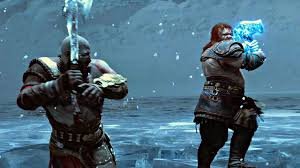
It’s the kind of matchup that sparks endless debate, and God of War Ragnarök leans into that tension deliberately. On the surface, both are gods of immense power, but the difference lies in how they use it.
Thor represents raw, overwhelming force. His fighting style is aggressive, relentless, and built on dominance. He doesn’t hesitate, doesn’t hold back, and rarely second-guesses himself. In many ways, he’s exactly what Kratos used to be, driven by instinct and fury, trusting strength to carry him through any battle.
Kratos, on the other hand, has changed. His power is still there , arguably just as formidable, but it’s now shaped by experience and restraint. He reads his opponents, adapts mid-fight, and controls his emotions instead of being ruled by them. Where Thor pushes forward, Kratos steps back, observes, and responds with precision.
That contrast isn’t accidental. Their rivalry is designed to highlight two different philosophies: unchecked aggression versus controlled strength. Thor fights to overpower. Kratos fights to endure and outthink. And over time, that difference becomes decisive.
Because in a straight clash of strength, they’re not far apart. But battles in this world aren’t won by strength alone, they’re won by timing, awareness, and control. Kratos’ ability to adapt, to learn, and to remain composed under pressure gives him the edge.
In the end, that’s the point the story is making. Strength isn’t just about how hard you can hit ,it’s about knowing when, why, and whether you should at all.
6. The Debate Around Ragnarok
Was the final battle disappointing?
When the final battle of God of War Ragnarök arrives, many players come in expecting a massive, chaotic war, a cinematic showdown stretching across the realms. And while the game delivers intensity, it doesn’t fully match that mental image. The climax is far more focused on character-driven storytelling than sheer spectacle, which can feel surprising if you were bracing for a nonstop action set piece.
That focus is also its greatest strength. The emotional payoff is huge: long-running story arcs, personal stakes, and hard-won resolutions make the fights meaningful beyond just health bars. Every confrontation carries weight because it’s tied to choices, relationships, and consequences built over the course of the game. Moments like these leave a lasting impression far beyond the flashiest cinematic effects.
On the flip side, some criticism is valid. Certain players feel the pacing is slower than expected, or that the scope of the final battle doesn’t feel as epic as earlier hype suggested. There are fewer enemies on screen, and the large-scale chaos seen in trailers or imagined in minds isn’t fully realised.
The balanced perspective is this: the game prioritises story impact over visual spectacle. Yes, the scale may be smaller than some hoped, but the emotional and narrative resonance is stronger.
Mini takeaway: In Ragnarök, the most memorable battles aren’t just about explosions and giant monsters ,they’re about what the fight means. Spectacle is impressive, but storytelling is what sticks.
7. Where Beginners Should Start
Do you need to play the previous game first?
If you’re new to God of War Ragnarök, the short answer is: you can jump in without playing the 2018 game, but it’s strongly recommended that you don’t.
God of War (2018) lays the emotional and narrative groundwork that makes Ragnarök hit so hard. It introduces Kratos’ relationship with Atreus, establishes the consequences of past choices, and sets up key themes like redemption, fatherhood, and the tension between fate and free will. Skipping it means some moments in Ragnarök may feel emotionally muted or confusing.
If you absolutely don’t have time for a full replay, a quick recap can work. Many players watch a condensed story summary or read a detailed walkthrough to refresh their memory. That way, the key relationships and past events are clear, and you’ll still feel the weight of important decisions and character moments.
Mini takeaway: context isn’t just a bonus ,it deepens the experience. Playing or reviewing the 2018 game ensures you fully appreciate the stakes, character arcs, and emotional resonance that make Ragnarök more than just a visually stunning action game.
Conclusion
In the end, God of War Ragnarök is a masterclass in balancing story, combat, exploration, and meaning. The narrative challenges your expectations, the combat tests your skill and patience, the world rewards curiosity, and every choice carries weight. Together, these elements create an experience that feels both epic and deeply personal.
At its core, the game is about growth and choice, not just for Kratos and Atreus, but for the player as well. Every decision, every victory, and even every setback reinforces the idea that the future isn’t predetermined; it’s shaped by your actions.
That’s why Ragnarök resonates far beyond the screen. It’s not just a story about gods and monsters ,it’s a story about learning, adapting, and finding meaning in the journey itself.
For those who want to dive even deeper, there’s still treasure to uncover, puzzles to solve, and paths to revisit. Exploring missed content or replaying the game with this perspective can reveal layers you might have overlooked the first time around, making the adventure richer than ever.