

This blog contains affiliate links, meaning we may earn a small commission if you click through and make a purchase at no additional cost to you.
Netflix has long been known for pushing the boundaries of true-crime storytelling. With Unknown Number: The High School Catfish, the streaming giant once again exposes a case that feels more disturbing than fiction. The film dives into a small-town Michigan story where anonymous text messages spiralled into a nightmare, shaking a community to its core. The unsettling twist? The tormentor wasn’t a shadowy stranger, it was someone no one ever expected.
This blog breaks down the documentary, the real case behind it, and why Unknown Number: The High School Catfish has left audiences stunned. Along the way, we’ll also look at the lessons it carries for parents, teenagers, and even local communities trying to protect themselves in an increasingly digital age.
The Story That Captured Netflix Audiences
In late 2020, a 13-year-old Michigan teenager, Lauryn Licari, and her boyfriend, Owen McKenny, began receiving relentless anonymous text messages. At first, the messages seemed like typical harassment. But soon they escalated, becoming darker, more threatening, and far more invasive.
What made the messages alarming wasn’t just their frequency, sometimes up to 40 or 50 in a single day, but their disturbing level of personal knowledge. The sender seemed to know intimate details about the teens, where they were, and even what they were doing. That level of access amplified the fear and suspicion in a community where everyone knew everyone else.
The case grew stranger when suspicion fell on peers and even close friends. Yet, as the Netflix film reveals, the truth turned out to be a devastating betrayal.
The Harassment That Changed Everything
When harassment crosses from a few unkind words to obsessive tracking, it stops being dismissed as “teen drama.” The volume and tone of the messages rattled Lauryn, Owen, and their families. They weren’t just insults, they were targeted, vulgar, and at times sexually aggressive.
The Netflix documentary shows how the harassment forced the teens into isolation. Friends began questioning who was behind it. Parents struggled with how to protect their kids without making them feel further victimized. Law enforcement initially had little to go on.
Still, one fact remained clear: whoever was sending the messages wasn’t an outsider. This was someone who knew the children’s schedules, habits, and vulnerabilities.
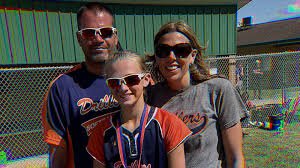
The Twist That Shocked Beal City
The FBI eventually traced the anonymous texts. When the truth came out, the community was left in disbelief. The culprit was not a classmate, not a peer, and not a stranger on the internet. It was Lauryn’s own mother, Kendra Licari.
For months, she had used spoofing apps and digital tools to disguise her number, making the harassment appear as though it came from elsewhere. This wasn’t a prank or misunderstanding, it was sustained psychological manipulation.
Kendra was arrested in December 2022 and later pleaded guilty to two counts of stalking a minor. She was sentenced to 19 months to 5 years in prison. In August 2024, she was released on parole.
The revelation didn’t just fracture a family. It left an entire town reeling from betrayal.
Why Did It Happen?
The Netflix film addresses the most haunting question: why would a mother target her own child?
Kendra herself admitted to investigators that she was struggling with unresolved trauma and claimed she believed she was “protecting” her daughter through this twisted behavior. Whether that explanation holds weight is debated throughout the documentary.
What remains undeniable is the long-term emotional damage. Lauryn has since cut off contact with her mother. At 18, she lives with her father and hopes to study criminology, perhaps driven by the very betrayal that once shattered her trust.
The Role of the Community
This wasn’t just a private family issue it spilled into the broader community. Other students and families became suspects during the investigation. For example, Lauryn’s friend, Khloe Wilson, and her family were at one point suspected of being behind the harassment.
The stigma of false suspicion left scars of its own. As Unknown Number: The High School Catfish shows, the case spread suspicion like wildfire. The film doesn’t shy away from the way rumours damaged reputations and how trust within a close-knit town was shaken.
Key Themes in the Documentary
The story is chilling enough, but the film highlights several broader issues worth noting:
- Digital anonymity: With countless apps available to hide phone numbers, harassment has never been easier to disguise.
- Family betrayal: The psychological weight of discovering a parent as the aggressor is explored in depth.
- Community trauma: In small towns, suspicion can spread quickly, creating collateral damage.
- Mental health: Both for the victims and for the perpetrator, the case underscores the necessity of accessible support systems.
Audience Reactions
Viewers have described the documentary as “jaw-dropping,” “disgusting,” and “unbelievable.” While some critics praise Netflix for handling the case with sensitivity, others argue it could have gone further in exploring the long-term mental health impacts on victims.
Still, the central twist, that the mother was the stalker, keeps audiences talking. Many viewers say they had to pause and replay certain parts, unable to believe what they were hearing.
Lessons for Parents and Teens
True-crime stories can sometimes feel distant. But this one carries practical lessons:
- Monitor digital activity responsibly. Oversight doesn’t mean prying,it means maintaining open conversations.
- Take harassment seriously. Early warning signs shouldn’t be brushed off as minor.
- Seek professional support. Victims of harassment, especially youth, benefit from immediate counselling.
- Educate communities. Schools and towns can prevent suspicion spiraling by addressing cases transparently.
Where Are They Now?
- Lauryn Licari – Now 18, focused on a future in criminology, no contact with her mother.
- Owen McKenny – Attending Hope College, pursuing baseball, while still processing the trauma.
- Kendra Licari – On parole, divorced, and legally barred from contacting her daughter.
- The Wilson Family – Continuing to rebuild their reputation after being wrongly suspected.
Each life touched by the case has been altered in ways no documentary can fully capture.
Why Unknown Number: The High School Catfish Matters
True crime is often unsettling, but few stories reach this level of betrayal. The Netflix documentary forces viewers to confront how digital tools, trust, and family bonds can collide in destructive ways.
For businesses, parents, and educators, the story isn’t just entertainment. It’s a warning about what can happen when oversight, support, and communication break down.
In the end, Unknown Number: The High School Catfish isn’t just a film. It’s a stark reminder that sometimes the scariest villains aren’t strangers at all, they’re hidden in plain sight.
| Category | Details |
| Story | Teen brought intrusive harassment via text by someone close (her mother). |
| Twist | The perpetrator was Lauryn’s mother, Kendra Licari, shocking betrayal. |
| Legal Outcome | Kendra arrested, convicted, imprisoned, now on parole. |
| Aftermath | Lauryn and Owen rebuilding their lives; Lauryn considering criminology; family fractured yet healing. |
| Themes | Cyberbullying, family betrayal, trauma, community suspicion, resilience. |
Frequently Asked Questions
What is Unknown Number: The High School Catfish about?
It’s a Netflix documentary about a Michigan teen harassed by anonymous texts, only to discover her mother was behind the harassment.
Is the documentary based on a true story?
Yes, it’s based on real events from 2020–2022 in Beal City, Michigan.
What happened to Kendra Licari?
She pleaded guilty to stalking minors, served prison time, and was released on parole in 2024.
Where can I watch it?
The documentary is available exclusively on Netflix.
What makes this story different from other catfishing cases?
The shocking twist is that the perpetrator wasn’t a stranger but the victim’s mother.
What streaming platform released Unknown Number: The High School Catfish?
Netflix.
Who directed the documentary?
Skye Borgman.
Where did the events of the documentary take place?
Beal City, Michigan.
Who was the main victim of the catfishing scheme?
Lauryn Licari.
At what age did Lauryn begin receiving the harassing messages?
Around 13 years old.
Who else, besides Lauryn, was targeted by the messages?
Her then-boyfriend, Owen McKenny.
Approximately how many messages were sent during the harassment?
Hundreds, over nearly two years.
What kind of messages were sent?
Threatening, harassing, and sexually explicit messages.
Who was revealed to be behind the anonymous texts?
Lauryn’s mother, Kendra Licari.
How did Kendra disguise her identity while sending the messages?
By using spoofing apps and anonymous phone numbers.
Who conducted the investigation that uncovered Kendra’s identity?
The FBI.
What charges did Kendra face?
Stalking-related charges.
What was Kendra Licari’s sentence?
19 months to 5 years in prison.
When was Kendra arrested?
December 2022.
When was Kendra released from prison?
August 2024, on parole.
What field does Lauryn hope to study in college?
Criminology.
What sport does Owen McKenny play?
Baseball.
Where did Owen enrol after high school?
Hope College.
Who was wrongly suspected of being the catfisher before the truth came out?
Lauryn’s friend, Khloe Wilson.
What larger themes does the documentary highlight?
The dangers of cyberbullying, the psychological toll of digital harassment, and family betrayal.